
![Maharishi Ayurveda Europe B.V. [DE]](http://maharishiayurveda.de/cdn/shop/files/mape_logo_85x_2x_4fa3ad6c-821a-4738-8803-0b9e4fbd888e.webp?v=1776845850&width=150)

![Maharishi Ayurveda Europe B.V. [DE]](http://maharishiayurveda.de/cdn/shop/files/mape_logo_85x_2x_4fa3ad6c-821a-4738-8803-0b9e4fbd888e.webp?v=1776845850&width=600)
Tea Breaks as Self-Care
 2026 June 16
Introduction
Some everyday moments don't have to be grand to feel valuable. A warm cup of tea, held calmly in both hands, can be just such a small moment – a brief pause that allows you to reconnect with yourself.
In a busy daily life, many people look for simple ways to slow down without having to completely change their entire lives. This is precisely why tea breaks are gaining more importance again. They are uncomplicated, familiar, and naturally create a moment of peace between two tasks.
Tea also beautifully combines with mindfulness, relaxation, and daily habits. Boiling water, selecting herbs, letting the tea steep, and consciously drinking it – all of this can turn a simple beverage into a small ritual.
In Ayurveda, too, daily balance often arises from small, regularly repeated actions. The classic idea of Dinacharya, a conscious daily routine, shows that rhythm is important. How you wake up, eat, move, rest, and care for yourself shapes your well-being in everyday life. A mindful tea break can become a simple part of this rhythm – warm, calm, and easy to implement.
Why a tea break can be more than just a break
At first glance, a tea break seems insignificant. Yet, precisely small interruptions can influence how a day feels. When work, screens, obligations, and constant decisions fill the mind, even five quiet minutes can be soothing.
A tea break sets a gentle boundary in the day. It creates a moment between what just was and what comes next. Instead of jumping directly from one task to the next, tea invites you to pause briefly, sit down, breathe, and perceive the moment.
This is why mindful breaks are becoming increasingly popular in everyday life. Not everyone needs an elaborate wellness routine. Often, a small habit that helps to slow down is enough. Tea fits particularly well here because it naturally has a process: boiling water, steeping, smelling, drinking, pausing.
Thus, tea can become a quiet moment just for you. It's not just about the beverage itself, but also about how you drink it: sitting, warm, slowly, and with attention. From a simple tea break, a realistic form of self-care can emerge that truly fits into everyday life.
Treat yourself to a conscious tea break
Read our blog “Tea breaks as self-care.A simple Ayurvedic ritual for more balance in everyday life" and discover how a small break with Ayurvedic tea can contribute to more calm, mindfulness, and balance in everyday life.
Self-care in everyday life: Why small routines are important
Self-care doesn't have to be long, expensive, or complicated. In everyday life, often the most helpful routines are those that are so simple that you can truly repeat them regularly.
Daily habits provide structure. They make the day feel less random and more conscious. A morning routine, an afternoon break, or a small evening ritual can give the mind clear signals: The day begins now. Now I can briefly come back to myself. Now it's getting calmer.
This fits well with the Ayurvedic view of balance in everyday life. Ayurveda emphasizes rhythm, seasons, nutrition, rest, and conscious perception. It's not about creating a perfect routine overnight. It's much more meaningful to choose small actions that suit your body, your lifestyle, and your current phase of life.
Warm drinks can promote mindful moments because they automatically invite you to slow down. You don't drink hot tea as hastily as a cold drink. You wait, hold the cup, feel the warmth, and drink sip by sip.
A tea break can thus become one of the simplest self-care habits in everyday life. You don't need any special equipment or a grand plan. A cup of tea, a few quiet minutes, and some attention can be enough to create a more grounded moment.
Ayurvedic tea and mindful tea habits
Tea is traditionally valued in Ayurveda because warm drinks, herbs, and spices are often part of conscious daily routines. It's not about finding one perfect tea for everyone. Ayurveda always asks: What suits the person, the season, the time of day, and the current balance?
An important term is Agni, often described as digestive fire. In Ayurvedic daily practice, warmth and moderation play a big role. Therefore, warm drinks are often preferred over very cold drinks in many Ayurvedic routines.
An Ayurvedic tea doesn't have to be complicated. Simple herbs and spices are often used, such as fennel, cumin, coriander, ginger, cardamom, cinnamon, tulsi, licorice, mint, or rose. Which blend is best depends on taste, season, and personal tolerance.
If you tend to feel Vata characteristics, warm, grounding teas with ginger, cinnamon, or cardamom can be pleasant. If you are sensitive to heat or find yourself more in the Pitta range, gentler herbs like fennel, coriander, rose, or mint often fit better. On sluggish Kapha days, warming spices like ginger or black pepper can be suitable, provided you tolerate them well.
Vata Tea
Warm, grounding herbal teas can help gently balance Vata characteristics such as restlessness, coldness, or dryness.
Vata Tea Organic
View product information
Pitta Tea
Gentle, cooling herbal teas can harmoniously support Pitta characteristics such as heat, sharpness, or internal irritability.
Pitta Tea Organic
View product information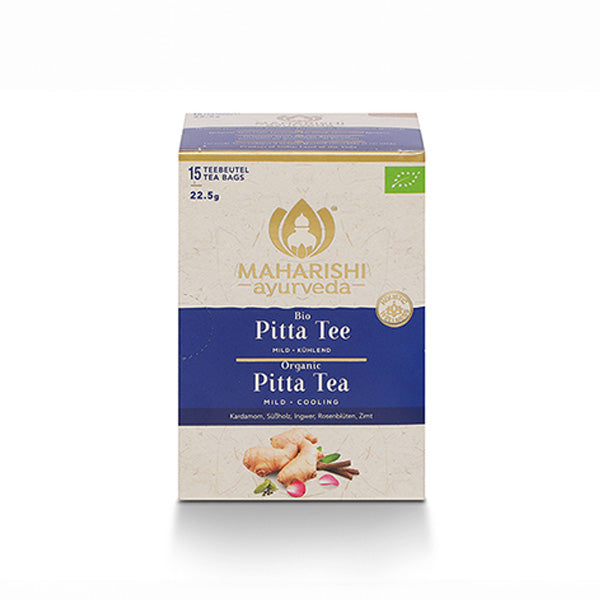
Kapha Tea
Warming, stimulating herbal teas can soothingly balance Kapha characteristics such as heaviness, sluggishness, or coldness.
Kapha Tea Organic
View product information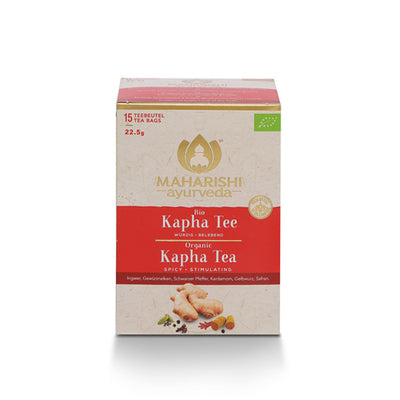
However, it's not just the ingredients that are important. The way you drink your tea also makes a difference. If you sit down, drink slowly, perceive the scent, and don't let yourself be distracted by everything else, tea becomes a conscious habit.
Read our blog “How Ayurvedic Herbs and Spices Are Used in Tea” and discover how selected herbs and spices can support taste, balance and daily well-being in Ayurvedic tea.
Herbal tea for relaxed moments in everyday life
Herbal tea is so popular because it is simple, natural, and easily fits into everyday life. You can drink it in the morning, as a short break in the afternoon, or as part of a calming evening ritual.
Herbal teas also offer a lot of variety. Some like warming spice blends, others prefer lighter, floral, or minty teas. The selection can change with the season, the weather, and your personal feeling.
Even organic herbal tea can be a lovely addition to everyday life, especially if you value carefully selected ingredients. This is less about a big lifestyle decision and more about a small, conscious habit centered around quality and routine.
At home, you can keep your tea moments very simple. A few basic ingredients or ready-made blends are often enough: fennel for a mild everyday tea, ginger for a warming cup, mint for a fresh taste, rose for a gentle evening ritual, or cardamom and cinnamon for a comforting aroma.
The point is not to turn herbal tea into the next complicated wellness task. The value lies in keeping the ritual pleasant, easy, and repeatable. A good tea habit should fit your real life – not become another thing you have to manage.
Tea in the morning and evening: Simple routines
A morning tea routine can give you a calm start to the day. Perhaps you drink your tea after brushing your teeth or tongue scraping, or with a light breakfast. The crucial thing is that the moment is conscious and not done as an afterthought.
Morning tea can be very simple: warm water with mild spices, a light herbal tea, or an Ayurvedic tea blend that suits the season. It can be a brief moment to arrive within yourself before the day gets busier.
An afternoon tea break can also be beneficial. Many automatically reach for coffee, sweets, or snacks when energy wanes. A warm herbal tea can then be a gentler break – not as a strict rule, but as a simple option. It sets a small reset point in the day.
In the evening, tea can mark the transition from activity to rest. This doesn't have to be elaborate. Dim the lights, put away your phone for a few minutes, prepare a mild herbal tea, and drink it slowly. Over time, the routine itself becomes a signal: Now the day can become calmer.
Routines provide more support when they recur regularly. Ayurveda values this regularity because it gives rhythm to the day. Choose a tea moment in the morning, afternoon, or evening and repeat it in a way that feels natural to you.
Mindfulness through warm drinks
Warm drinks are often associated with calm because they automatically invite slower movements. You hold the cup carefully. You wait until the tea is drinkable. You take small sips instead of drinking hastily. These small actions are precisely what makes tea so suitable for mindfulness in everyday life.
Mindfulness doesn't always have to look like formal meditation. It can also mean simply being consciously present in what you are currently doing. During a mindful tea ritual, you can perceive the sound of boiling water, the scent of the herbs, the warmth of the cup, and the taste of each sip.
Slow, conscious tea drinking creates space. For a few minutes, you're not just reacting, not scrolling further, and not rushing through the next item on your list. The cup of tea becomes a simple anchor for your attention.
Such small changes can support a more balanced daily rhythm. Not because tea solves everything, but because repeated mindful habits influence how you move through your day.
A warm tea break can bring more clarity to the moment because it allows you to pause briefly before moving on. It's a small action – but if you repeat it regularly, it can become a meaningful part of your daily balance.
Discover Ayurvedic Spice Teas—>
Conclusion
Tea breaks can become simple self-care moments if you take them consciously. A cup of tea is not just a beverage when it becomes part of your daily rhythm. It can mark a beginning, create a pause, or gently usher in the evening.
Ayurveda connects tea with mindfulness, warmth, daily habits, and personal suitability. The right tea ritual does not look the same for everyone. It depends on what suits you, the season, the time of day, and your daily life.
Sometimes self-care doesn't start with a big change. Sometimes it starts with a warm cup of tea, five quiet minutes, and the decision to truly be present.
FAQs
1. Which herbal teas are suitable for a daily routine?
Simple herbal teas can be easily integrated into daily life if you choose them according to the season, taste, constitution, and personal tolerance. Fennel, cumin, coriander, ginger, cardamom, cinnamon, tulsi, rose, licorice, and mint are often used in Ayurvedic-inspired tea preparations. Ayurveda does not recommend one tea for everyone. It is important that the tea suits you, tastes pleasant, and fits easily into your routine.
2. How can a tea break make a busy day feel calmer?
A tea break creates a small space between two activities. Preparing tea, sitting down, noticing the aroma, and drinking slowly can become a simple mindful habit. Not only the tea itself matters, but also the way you drink it. A warm beverage, enjoyed calmly, can help you bring a more conscious and slower moment into your day.
3. When is the best time for a tea break?
The best time depends on your daily routine. In the morning, tea can fit after cleansing or tongue scraping, or with a light breakfast. In the afternoon, it can create a gentle break between work and evening. In the evening, a mild, non-stimulating herbal tea can be part of a calmer routine before bedtime. Ayurveda emphasizes regular times – therefore, it is better to choose a moment that you can truly repeat.
4. How can I incorporate tea into my morning and evening routine?
In the morning, you can drink tea after brushing your teeth, tongue scraping, warm water, or with a light breakfast. Choose herbs that suit you and the season. In the evening, tea can be a signal to wind down: dim the lights, put away your phone for a few minutes, prepare a mild herbal tea, and drink it in peace. Keep the routine simple. Even five quiet minutes with a warm cup of tea can become a valuable self-care moment.


