
![Maharishi Ayurveda Europe B.V. [DE]](http://maharishiayurveda.de/cdn/shop/files/mape_logo_85x_2x_4fa3ad6c-821a-4738-8803-0b9e4fbd888e.webp?v=1776845850&width=150)

![Maharishi Ayurveda Europe B.V. [DE]](http://maharishiayurveda.de/cdn/shop/files/mape_logo_85x_2x_4fa3ad6c-821a-4738-8803-0b9e4fbd888e.webp?v=1776845850&width=600)

Daily Ayurvedic Wellness by Dosha: Herbs, Routines & Products for Your Needs
 2026 September 02
Ayurveda is not a one-routine-fits-all system. It recognises that each person has different tendencies, needs, routines and responses to food, herbs and lifestyle habits. Vata, Pitta and Kapha offer a traditional way to understand these differences and make daily wellness more personal.
Your Dosha can guide how you structure your day, which foods feel suitable, which herbs are traditionally associated with balance and which products may fit your routine. However, Ayurveda does not treat your Dosha as a fixed label. Daily choices also depend on the season, digestion, age, lifestyle, climate and current needs.
This guide explains how to think about daily Ayurvedic wellness by Dosha, including simple routines, herbs, teas and product choices for Vata, Pitta and Kapha.
What Does Living According to Your Dosha Mean?
Living according to your Dosha means observing your natural tendencies and choosing habits that support balance in everyday life.
In Ayurveda, the three Doshas are known as Vata, Pitta and Kapha. Everyone has all three Doshas in different proportions. Your individual constitution is traditionally called Prakriti.
Rather than using your Dosha as a rigid identity, Ayurveda encourages you to notice patterns. For example, one person may feel better with warmth, routine and grounding habits, while another may need more cooling, calm or movement.
Understanding Vata, Pitta and Kapha
Each Dosha is traditionally associated with certain qualities:
-
Vata is linked with movement, lightness, dryness and change.
-
Pitta is linked with heat, intensity, transformation and sharpness.
-
Kapha is linked with structure, heaviness, steadiness and moisture.
These are traditional Ayurvedic concepts. They should not be understood as medical diagnoses or fixed personality types.
To better understand your dosha type,
if you'd like to delve deeper into the basics of Vata, Pitta, and Kapha, read our guide , " Ayurvedic Dosha Types . " There you'll learn how the three doshas are traditionally described and why they play an important role in Ayurveda regarding diet, routine, and lifestyle.
Why does Ayurveda focus on individuality?
Ayurveda focuses on individuality because the same routine does not suit everyone.
A very active morning routine may feel energising for one person but overwhelming for another. A cooling drink may feel refreshing in summer but unsuitable during a cold season. A herb that is traditionally used in one context may not be appropriate for every person.
This is why Ayurveda considers constitution, digestion, season, daily routine, lifestyle and current needs together.
Ayurvedic Routines for Vata, Pitta and Kapha
Daily routine is important in Ayurveda because repeated habits shape how the body and mind experience the day. This does not mean every person needs the same schedule. The best routine is the one that supports your needs and can be maintained consistently.
Why are routines important in Ayurveda?
Ayurveda traditionally values Dinacharya, or daily routine. A steady routine may include regular waking and sleeping times, suitable meals, daily movement, quiet pauses and seasonal adjustments.
Routine does not need to be complicated. Even one or two consistent habits can make Ayurveda easier to include in everyday life.
What daily routine may suit Vata?
Vata is traditionally associated with movement, dryness and irregularity. A Vata-oriented routine often focuses on warmth, structure and grounding.
Helpful daily habits may include:
-
Eating warm, freshly prepared meals
-
Keeping mealtimes reasonably regular
-
Creating a calm evening routine
-
Using warm oil massage when suitable
-
Reducing overstimulation before sleep
-
Choosing gentle, steady movement
Vata routines should not be too rigid. The aim is to create a sense of steadiness without adding pressure.
What daily routine may suit Pitta?
Pitta is traditionally associated with heat, intensity and transformation. A Pitta-oriented routine often focuses on moderation, cooling influences and space to pause.
Helpful daily habits may include:
-
Taking proper breaks during work
-
Avoiding excessive heat or overexertion
-
Choosing calming evening activities
-
Eating at regular times without rushing
-
Spending time in cooler natural environments
-
Avoiding turning wellness into another performance goal
For Pitta, the most useful routine is often one that creates balance between activity and rest.
What daily routine may suit Kapha?
Kapha is traditionally associated with heaviness, stability and steadiness. A Kapha-oriented routine often focuses on movement, stimulation and variety.
Helpful daily habits may include:
-
Starting the day earlier where practical
-
Including energising movement
-
Avoiding very heavy meals late in the day
-
Bringing variety into exercise and meals
-
Choosing lighter, warm foods when suitable
-
Keeping the day active and intentional
For Kapha, small changes in pace, movement and variety can make the routine feel more dynamic.
Can Ayurvedic routines change with the seasons?
Yes. Ayurveda traditionally adapts daily habits according to the season. This is known as Ritucharya.
A Vata person may need more warmth and grounding during cold, windy weather. A Pitta person may need more cooling routines during hot weather. A Kapha person may need more movement and lightness during damp or heavy seasons.
Season, climate and lifestyle should always be considered alongside Dosha.
Ayurvedic Herbs for Different Doshas
Herbs have an important place in Ayurveda, but they should not be chosen simply because they are “natural.” Ayurveda traditionally selects herbs according to their qualities, preparation, purpose, season and suitability for the individual.
Herbs may appear in food, teas, oils or traditional formulations. They are only one part of Ayurveda and should be considered alongside diet, sleep, movement and daily routine.
Which herbs are traditionally associated with Vata?
Vata-oriented approaches often use herbs and ingredients traditionally associated with warmth, grounding and nourishment.
Examples may include:
-
Ashwagandha
-
Licorice
-
Ginger in suitable amounts
-
Fennel
-
Cinnamon
-
Cardamom
Ashwagandha is often seen in Vata-oriented preparations, but it is not suitable for everyone. People who are pregnant, breastfeeding, taking medication or living with a diagnosed condition should seek professional advice before using herbal supplements.
Organic Ashwagandha
View Product Information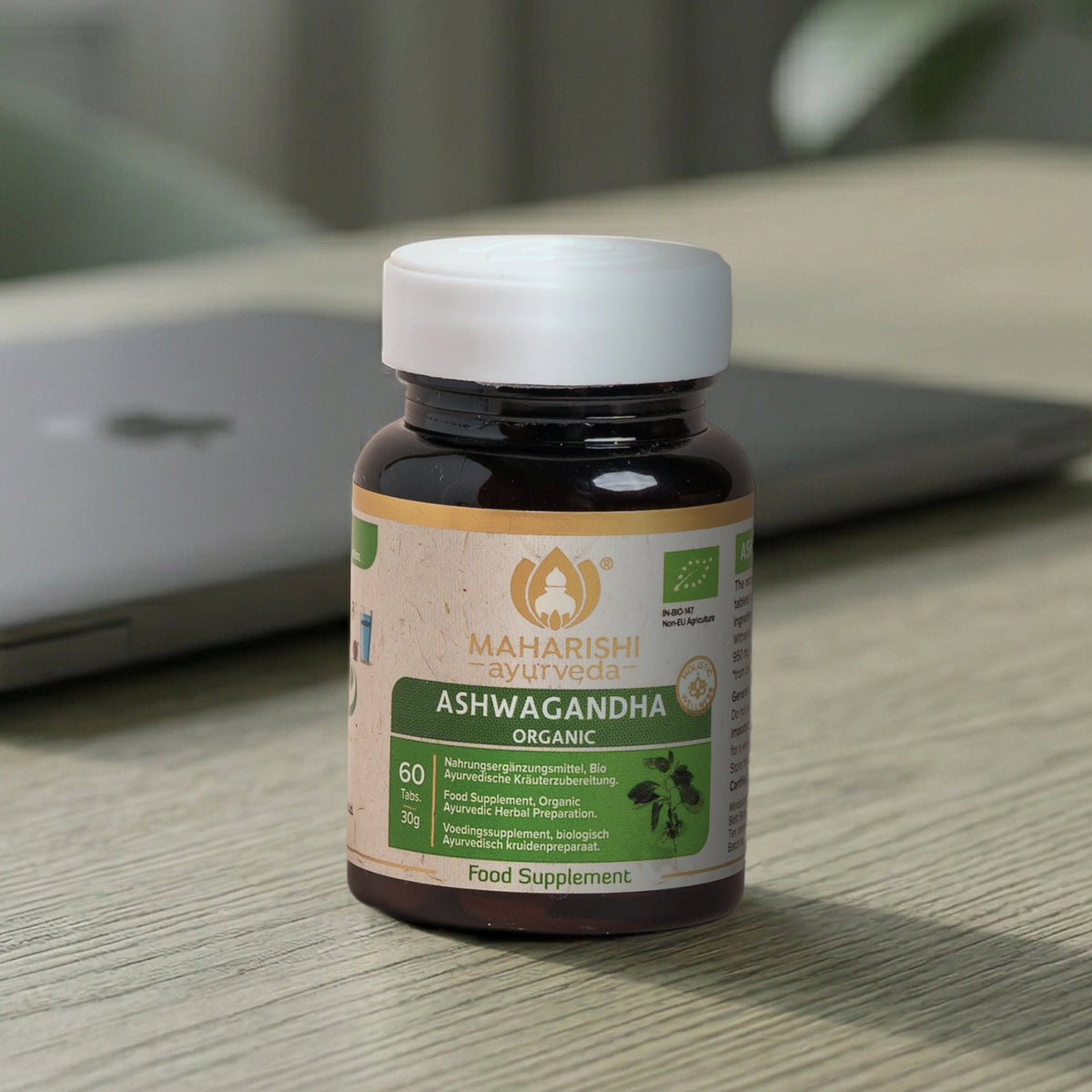
Which herbs are traditionally associated with Pitta?
Pitta-oriented approaches often use herbs and ingredients traditionally associated with cooling, calming or soothing qualities.
Examples may include:
-
Shatavari
-
Coriander
-
Fennel
-
Rose
-
Amla
-
Cardamom
Cooling does not mean cold or iced. In Ayurveda, a gentle warm tea with mild herbs may still be suitable, depending on the person and season.
Shatavari Natural – Dietary Supplement
View Product Information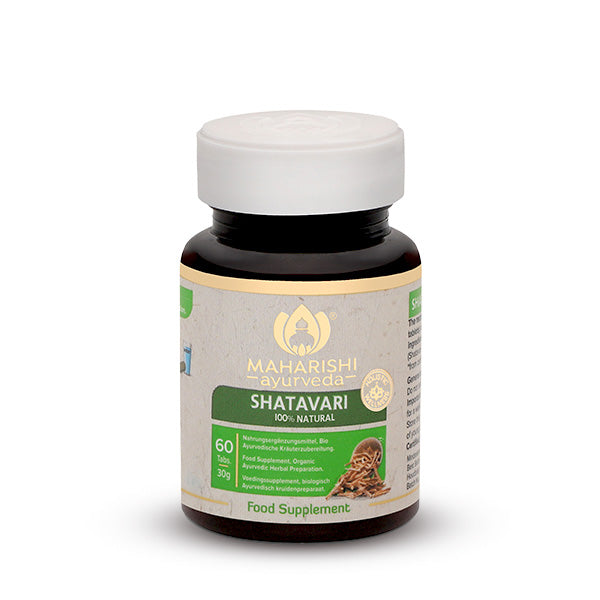
Which herbs are traditionally associated with Kapha?
Kapha-oriented approaches often use herbs and spices traditionally associated with warmth, lightness and stimulation.
Examples may include:
-
Ginger
-
Black pepper
-
Turmeric
-
Clove
-
Cinnamon
-
Tulsi
Warming herbs and spices should still be used with care. More is not always better, especially for people with sensitivity, reflux, heat imbalance or medical conditions.
Curcuma Bio
View Product Information
How can herbs be included in daily habits?
Herbs can be included in simple ways, such as:
-
Adding mild spices to cooked meals
-
Drinking a suitable herbal tea
-
Using traditional formulations according to product instructions
-
Choosing products based on ingredients and suitability
-
Seeking guidance for more personalised use
Herbs should not be used as a substitute for medical care, a balanced diet or professional advice when needed.
Ayurvedic Teas for Vata, Pitta and Kapha
Tea is one of the simplest ways to include Ayurvedic herbs and spices in daily life. A warm cup of tea can become part of a morning routine, an afternoon pause or an evening wind-down.
Ayurvedic tea does not need to be complicated. Often, simple blends with two or three ingredients are easier to maintain.
What tea may suit Vata?
Vata may enjoy warm, gently aromatic teas.
Simple Vata-inspired ideas include:
-
Fennel and cinnamon tea
-
Ginger and cardamom tea
-
Licorice and fennel tea
-
Cumin, coriander and fennel tea
These teas are usually best enjoyed warm rather than iced.
Vata Calm Tea
View Product Information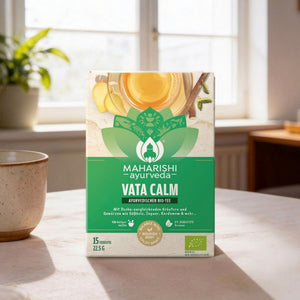
What tea may suit Pitta?
Pitta may prefer milder and more cooling tea combinations.
Simple Pitta-inspired ideas include:
-
Coriander and fennel tea
-
Rose and cardamom tea
-
Fennel and mint tea
-
Amla-based herbal tea, where suitable
Pitta teas should usually avoid excessive sharpness or heat.
Organic Pitta Tea
View Product Information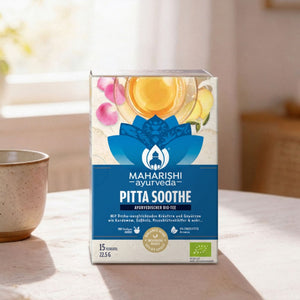
What tea may suit Kapha?
Kapha may prefer warming and more stimulating tea combinations.
Simple Kapha-inspired ideas include:
-
Ginger tea
-
Ginger and black pepper tea
-
Tulsi and cinnamon tea
-
Clove and cardamom tea
Kapha teas can be warming, but they should still be adjusted to taste, tolerance and season.
Organic Kapha Tea
View Product Information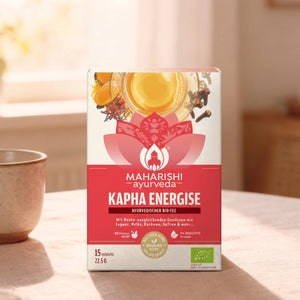
How can Ayurvedic tea become part of your routine?
Ayurvedic tea can be added to daily life by connecting it with an existing habit.
For example:
-
Morning tea after waking
-
Herbal tea after lunch
-
A mindful afternoon tea break
-
A calming evening tea ritual
-
Seasonal tea changes through the year
Choose a tea that suits your body, season and routine rather than forcing yourself into a blend only because it is labelled for a particular Dosha.
Which Ayurvedic Products Match Your Dosha?
Ayurvedic products can support a daily routine when chosen carefully. However, they should not be selected only because a package says Vata, Pitta or Kapha.
A better approach is to consider the ingredients, product quality, instructions, personal suitability and the role the product will play in your routine.
What products can fit a morning routine?
A morning Ayurvedic routine may include:
-
A suitable massage oil
-
Herbal tea
-
Tongue cleaner
-
Warm water routine
-
Gentle body-care products
-
Traditional herbal preparations, where appropriate
For Vata, a warming and grounding oil may be preferred. For Pitta, a more cooling or gentle product may be considered. For Kapha, lighter and more stimulating routines may feel suitable.
Vata Products
View Collection
What products can support mindful breaks during the day?
Not every Ayurvedic product needs to be part of a long routine. A mindful break may be as simple as:
-
Drinking a Dosha-inspired tea
-
Taking a quiet pause away from screens
-
Using a calming aroma
-
Practising a few minutes of breathing
-
Choosing a warm, light meal instead of rushing
For many people, a simple tea break is one of the easiest ways to make Ayurveda part of everyday life.
Pitta Products
View Collection
How should you choose Ayurvedic wellness products?
When choosing Ayurvedic products, consider:
-
Ingredients
-
Quality and sourcing
-
Product instructions
-
Your constitution and current needs
-
Season and climate
-
Any allergies or dietary restrictions
-
Medication or health conditions
-
Whether the product fits your lifestyle
If you are pregnant, breastfeeding, taking medication, buying for a child or living with a diagnosed health condition, seek professional advice before using herbal supplements.
Kapha Products
View Collection
Everyday Tips for Each Dosha
Ayurveda becomes more practical when Dosha guidance is translated into simple daily habits.
Everyday tips for Vata
For Vata, think structure, warmth and grounding.
Helpful habits may include:
-
Eat warm meals at regular times
-
Keep a steady morning and evening rhythm
-
Avoid too many changes at once
-
Create quiet time before sleep
-
Use warm oil massage where suitable
-
Choose gentle movement such as walking or yoga
Vata routines should feel calming, not restrictive.
Everyday tips for Pitta
For Pitta, think pause, moderation and cooling balance.
Helpful habits may include:
-
Take breaks before feeling overheated or irritated
-
Avoid excessive competition in wellness routines
-
Choose calming evening activities
-
Spend time outdoors in cooler parts of the day
-
Keep meals regular and avoid rushing
-
Use mild herbs and spices where suitable
Pitta routines should create space and ease, not more pressure.
Everyday tips for Kapha
For Kapha, think movement, variety and stimulation.
Helpful habits may include:
-
Start the day with intention
-
Include movement in the morning
-
Vary meals and routines occasionally
-
Choose warm, lighter meals where suitable
-
Avoid staying inactive for long periods
-
Use warming spices carefully and appropriately
Kapha routines often work best when they are active, simple and energising.
How to Find the Right Ayurveda Routine for You
The right Ayurveda routine is the one that fits your real life. It should support your body, schedule, season and needs without becoming complicated.
Why does starting small often work best?
Starting small works because a simple habit is easier to repeat.
Instead of changing your whole lifestyle, begin with one or two habits, such as:
-
Drinking warm water in the morning
-
Eating one warm meal each day
-
Taking a short afternoon tea break
-
Going to bed at a more regular time
-
Adding gentle daily movement
-
Reducing distractions during meals
Once the habit feels natural, you can add another.
How can you observe what works for you?
Pay attention to how your routine fits your:
-
Appetite
-
Digestion
-
Energy
-
Sleep
-
Work schedule
-
Climate
-
Season
-
Stress level
-
Personal preferences
Ayurveda is easier to maintain when it works with your life rather than against it.
When should you seek personalised Ayurvedic guidance?
Personalised guidance may be helpful if you are unsure about your Dosha, want to use herbs regularly, have a diagnosed health condition or are choosing products for a child.
A qualified Ayurvedic practitioner or healthcare professional can help adapt recommendations to your individual needs.
Conclusion
Your Dosha can be a useful Ayurvedic guide, but it is not a fixed identity. Everyone has Vata, Pitta and Kapha in different proportions, and daily needs can change with season, age, digestion, routine and lifestyle.
Herbs, teas, routines and Ayurvedic products can all be adapted through small, practical choices. The best starting point is not a perfect routine. It is one manageable habit that helps you explore Ayurveda in a safe, realistic and consistent way.


