![Maharishi Ayurveda Europe B.V. [DE]](http://maharishiayurveda.de/cdn/shop/files/mape_logo_85x_2x_4fa3ad6c-821a-4738-8803-0b9e4fbd888e.webp?v=1776845850&width=150)

![Maharishi Ayurveda Europe B.V. [DE]](http://maharishiayurveda.de/cdn/shop/files/mape_logo_85x_2x_4fa3ad6c-821a-4738-8803-0b9e4fbd888e.webp?v=1776845850&width=600)

From Sea Shell to Ayurvedic Bhasma: How Natural Calcium Is Purified in Ayurveda
 2026 June 15
Ancient Ayurvedic pharmaceutics includes a sophisticated approach to minerals, particularly calcium, from ocean sources such as shells, pearls, and coral. Classical texts emphasise that minerals cannot be used raw; they require precise purification (shodhana) and controlled calcination (marana) before inclusion in formulations. This article explains why calcium is valued in Ayurveda, which sea-derived materials are used, a stepwise overview of traditional purification and calcination, how different shells are selected, and practical safety and sustainability considerations for modern readers. It is an informational guide that describes traditional processes and uses, not a substitute for professional medical advice.
Why calcium matters in Ayurveda
Ayurvedic view of minerals
In classical Ayurveda, minerals and metals are considered potent but potentially toxic in raw form. Texts describe bhasma, ash-like processed mineral preparations, as the usable outcome. Shodhana (purification) and marana (calcination) are procedural series designed to detoxify, enhance assimilation, and alter material properties so they align with herbal adjuvants in formulations.
Calcium's traditional functions
Ayurvedic literature associates calcium-bearing bhasmas and shell-derived materials with support of bodily structure and strength and with balancing certain functional patterns (doshas) depending on their preparation. Descriptions focus on supporting tissues and general resilience rather than modern clinical endpoints.
Why purification is essential
Raw shells and minerals can contain organic residue, environmental contaminants, or poorly assimilable forms. Classical procedures define exact cleaning, maceration media, temperatures, and timing to transform raw material into bhasma. These practices are as much about safety and quality as about preserving traditional therapeutic intent.
Ocean sources of natural calcium
Common shell types used
Ayurvedic pharmacopoeia references several ocean-derived calcium sources: sea shell (shankha/conch), cowrie, oyster shell, mother-of-pearl, pearl and coral. Biologically, these originate from molluscs, crustaceans, and coral organisms; each material differs in structure and composition.
Pearl and mother-of-pearl sources
Pearl is formed within mollusks and is largely calcium carbonate in crystalline form. Mother-of-pearl (nacre) lines shells and provides a different microstructure. Classical texts attribute both material roles (as calcium sources) and sometimes non-material roles, particularly mental or emotional balancing for Pearl, often framed in astrological and energetic terms.
Coral, oyster and ethical notes
Coral and oyster-derived materials are traditionally sourced from discarded or non-living material. Modern ethical practice urges avoiding reef-harvesting and prioritising discarded shells or sustainably collected deep-sea coral material.
Discarded shells versus live harvesting
Historically, Ayurveda emphasises non‑harmful collection: using shells that animals have shed or that wash ashore. Contemporary sourcing guidelines recommend traceability and supplier transparency to avoid ecological harm.
Purification and calcination (Shodhana) stepwise process
Initial cleaning and selection
Materials are checked for provenance and physical integrity. Organic matter is removed; shells are washed, sun-dried, and inspected for fractures or contamination. Only certain grades proceed to purification.
Maceration with milk, rose water and juices
Classical shodhana frequently uses biological media—milk, rose water, aloe vera gel or citrus juicesccto macerate and leach impurities. Textual notes indicate typical maceration periods (for shells and similar materials) of several hours (commonly around six to seven hours) to soften and cleanse the material prior to mechanical reduction.
Calcination in earthen furnaces
After maceration the material is triturated to a paste or powder, sealed in earthen crucibles and subjected to controlled heatingcmarana. Traditional underground earthen furnaces or pit methods create limited-oxygen conditions and sustained high temperatures. Descriptions record heating durations of approximately twenty-four hours for a calcination cycle. These processes convert carbonate materials into finely divided bhasma and change physical properties significantly.
Post-calcination handling and testing
After cooling, practitioners collect the bhasma and perform classical qualitative tests for fineness and lack of luster, often using touch and simple observational checks described in pharmacopeias. Modern producers may complement traditional tests with laboratory assays for particle size, chemical composition and contaminants to ensure quality and traceability.
How different shells influence properties and use
Mother-of-pearl characteristics
Mother-of-pearl (nacre) is traditionally described as having cooling and stabilising qualities and is often chosen where a gentler, cohesive material is desired in formulations. Texts attribute specific energetic qualities to it.
Conch, cowrie and oyster distinctions
Conch (shankha) and cowrie shells are distinct in symbolic and material terms; conch is frequently cited in ritual and pharmacopeia, while oyster shells are valued for their structure. Classical practitioners select the type based on the desired energetic effect and the formulation's target dosha balance.
Coral: material and symbolic roles
Coral carries associations of strength and is traditionally linked with Mars in astrological systems. Its use combines material attributes with symbolic intent in certain classical preparations.
Choosing a source by classical indication
Selection follows textual indications matching material properties to formulation goals. Modern practitioners consult classical pharmacopoeia and qualified Ayurvedic physicians when choosing raw materials and formulations.
Pearl, lunar association and mind balance
In classical systems pearl is not only a material calcium source but carries symbolic and astrological associations with the moon. The moon is connected to the mind and emotions; pearl is therefore traditionally used in formulations intended to support mental balance and calm, described in energetic terms rather than clinical guarantees. Coral, by contrast, is associated with Mars and strength.
Classical formulations using multiple calcium sources
What is Muktapanchamrit
A classical compound known as Muktapanchamrit combines multiple shell-derived calcium sources, commonly five: sea shell, conch, cowrie, mother-of-pearl and coral, with pearl sometimes included prepared according to strict procedures.
Ingredients and traditional purpose
The combined material aims to harmonise particular doshic tendencies in textual language; historical descriptions reference pitta-pacifying intent among other goals. These formulations appear within classical pharmacopoeia and ceremonial contexts.
Formulation context and dosage notes
Exact compositions, preparation steps and usage instructions are contained in classical texts and local pharmacopeia. Dosage and clinical use require a qualified practitioner; do not attempt home preparation or self-prescription.
Traditional indications and practical guidance
Overview of traditional indications
Texts list uses of processed calcium materials to support structure, strength and certain functional balances. Language in classical sources emphasises tissue support and balancing energies rather than modern diagnostic claims.
Role in bone-related formulations
Processed calcium sources appear within longer formulas intended to support bodily structure in traditional context. Such usage reflects classical logic of formulation synergy rather than single-ingredient supplementation.
Practical guidance and practitioner role
Preparation, prescription and monitoring should be handled by qualified Ayurvedic practitioners. Commercial products should carry provenance information and manufacturing quality control. When in doubt consult a practitioner.
Safety, ethics and sustainability
Ethical sourcing of shells and coral
Respect for ecosystems is a modern extension of traditional guidance. Prefer discarded shells, sustainably sourced deep-sea material and suppliers who provide transparency about provenance.
Quality control and purification checks
Use manufacturers and practitioners that document shodhana and marana steps, and where appropriate supply laboratory certificates for heavy metals, microbial load and identity. Traditional fineness tests complement but do not replace modern analysis.
Safety considerations and contraindications
Bhasmas are transformed materials distinct from raw minerals; nevertheless, their preparation and dosage require professional oversight. Consult healthcare providers when combining with medications or for existing health conditions.
Ayurvedic calcium versus modern supplements: a comparison
Source and processing differences
Ayurvedic calcium typically originates from ocean-derived biomaterials processed through shodhana and marana. Modern calcium supplements are commonly manufactured as salts or citrates. The intent, preparation, and cultural framing differ.
Perceived bioavailability and intent
Classical literature suggests processed bhasmas are assimilable in their own system of understanding; however, scientific comparisons of bioavailability require controlled studies. Readers should avoid interpreting traditional claims as proven clinical superiority.
When to consult a practitioner
Choose supplements, Ayurvedic or modern, based on practitioner advice, product provenance, and testing. Discuss interactions with medications or medical conditions.
Conclusion
Ayurveda treats sea-derived calcium as a carefully processed material that moves from raw shell to refined bhasma through defined shodhana and marana steps. These methods reflect a long tradition of specificity, safety, and ritual context. Modern readers should prioritise ethical sourcing, transparent manufacturing, and qualified practitioner guidance when exploring these materials.
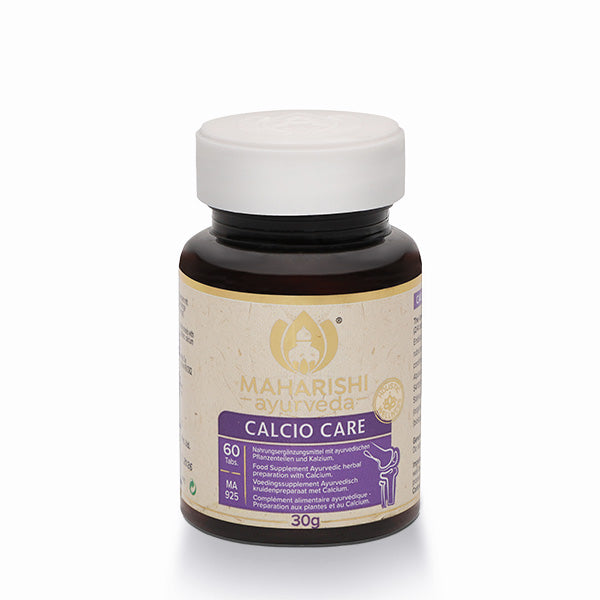
Calcio Care MA 925 – Dietary Supplement
View product information