
![Maharishi Ayurveda Europe B.V. [DE]](http://maharishiayurveda.de/cdn/shop/files/mape_logo_85x_2x_4fa3ad6c-821a-4738-8803-0b9e4fbd888e.webp?v=1776845850&width=150)

![Maharishi Ayurveda Europe B.V. [DE]](http://maharishiayurveda.de/cdn/shop/files/mape_logo_85x_2x_4fa3ad6c-821a-4738-8803-0b9e4fbd888e.webp?v=1776845850&width=600)

Calcium in Ayurveda: Natural Sources & Better Absorption
 2026 May 26
Calcium is one of the most important minerals required for the body’s normal functioning. Most people connect calcium only with bones, but it also contributes to normal teeth, muscle function, nerve signalling, blood clotting, and everyday body movement. Around 99% of the body’s calcium is stored in bones and teeth, which is why regular intake through food is important for long-term bone maintenance and overall well-being.
Modern nutrition explains calcium through nutrients and recommended intake levels, while Ayurveda looks at nourishment more holistically. Ayurveda does not directly describe calcium in modern scientific language, but it speaks about Asthi Dhatu, the tissue related to bones, teeth, stability, and body structure. Ayurveda also places strong importance on Agni, or digestive strength, because even nutritious food may not support the body properly if digestion and absorption are weak. From an Ayurvedic perspective, wellness depends not only on what you eat, but also on how your body processes and utilises nourishment over time.
1. Why Calcium Matters in Daily Life
Calcium contributes to the maintenance of normal bones and teeth and supports several important body functions. It plays a role in muscle contraction, nerve communication, blood clotting, and normal movement. Since the body cannot produce calcium naturally, it must be obtained regularly through food and lifestyle habits.
Adults generally require around 1,000 mg of calcium daily, while women above 50 and adults above 70 may require approximately 1,200 mg per day. However, individual requirements can vary depending on factors such as age, pregnancy, activity level, dietary habits, and overall health status.
Ayurveda also reminds us that wellness is not about taking excessive amounts of nutrients. Balance is considered more important than overconsumption. Very low calcium intake over time may affect bone maintenance, while unnecessary use of high-dose supplements may also create imbalance in some individuals. Ayurveda therefore supports a balanced and sustainable approach to nourishment.
2. Natural Calcium Sources in Ayurveda
Ayurveda generally encourages obtaining nutrients through natural foods whenever possible. Whole foods provide calcium together with fibre, protein, healthy fats, and other naturally occurring nutrients that support overall nourishment.
Natural calcium-rich foods include:
-
Milk and yoghurt
-
Sesame seeds
-
Almonds
-
Ragi (finger millet)
-
Leafy greens
-
Broccoli and kale
-
Bok choy
-
Tofu made with calcium
-
Fortified plant milk
-
Sardines and salmon with bones for non-vegetarians
In Ayurvedic-style eating, meals are usually warm, balanced, and freshly prepared. Foods such as soaked almonds, sesame seeds, ragi, leafy vegetables, milk if suitable for digestion, and moderate amounts of healthy fats like ghee are commonly included in daily routines.
Sesame seeds are especially valued in traditional diets because they naturally contain minerals and healthy fats. However, Ayurveda also recommends moderation because sesame may feel heavy or heating for some people depending on body type, season, and digestion. This reflects Ayurveda’s personalised approach to nutrition rather than following one diet for everyone.
3. Why Absorption Is More Important Than Quantity?
Eating calcium-rich foods is important, but proper absorption matters just as much. The body must be able to digest, absorb, and utilise calcium effectively for it to contribute to normal body functions.
Vitamin D contributes to normal calcium absorption and helps maintain normal calcium levels in the blood. This is why calcium and vitamin D are often discussed together. Low vitamin D status may reduce the body’s ability to absorb calcium efficiently, even when calcium intake appears adequate.
Some foods naturally contain compounds that influence absorption. For example, spinach contains calcium but also contains oxalates, which may reduce how much calcium the body absorbs. Spinach can still be part of a healthy diet, but it should not be relied upon as the only calcium source. Foods such as kale, broccoli, bok choy, dairy products, fortified foods, and calcium-set tofu may provide calcium in forms that are often more easily absorbed.
Ayurveda similarly focuses on nourishment quality and utilisation rather than simply increasing quantity. From this perspective, digestion and balance are central to long-term wellness.
4. Ayurvedic Way to Support Calcium Absorption
Ayurveda places strong emphasis on digestion because nourishment depends on how well food is processed by the body. According to Ayurvedic philosophy, even nutritious meals may feel heavy or less supportive if digestion is weak or irregular.
Simple habits traditionally encouraged in Ayurveda include:
-
Eating warm freshly cooked meals
-
Eating at regular times
-
Chewing food properly
-
Avoiding overeating
-
Reducing excessive cold drinks with meals
-
Eating mindfully without distractions
These practices are believed to support digestive comfort and help maintain balanced eating habits.
Ayurveda also commonly uses gentle kitchen spices such as cumin, fennel, coriander, ginger, and ajwain. These spices do not directly “increase calcium,” but they are traditionally used to support digestion and make meals feel lighter and easier to process. Their use is usually adjusted according to body type, season, and personal tolerance.
5. Calcium and Vitamin D
Calcium and vitamin D are frequently mentioned together because vitamin D contributes to normal calcium absorption and supports the maintenance of normal calcium levels in the blood. Lifestyle habits such as safe sunlight exposure, balanced nutrition, and regular movement may all influence vitamin D status and overall well-being.
Common dietary sources of vitamin D include:
-
Fatty fish
-
Egg yolks
-
Cheese
-
Fortified milk
-
Fortified plant-based milk
-
Certain mushrooms
Sunlight is also an important natural source of vitamin D production for many people. Ayurveda traditionally values moderate sunlight exposure, movement, and balanced routines as part of overall wellness practices.
However, supplements should not be taken unnecessarily or in excessive amounts. Too much vitamin D supplementation may increase calcium levels excessively in some individuals and may contribute to unwanted side effects. This is why professional guidance is important when considering supplementation.
6. Calcium Tablets or Natural Foods?
Natural foods are usually considered the preferred first source of calcium because they provide multiple nutrients together rather than isolated compounds alone. For example, dairy products provide calcium along with protein and phosphorus, while greens and seeds contribute fibre, minerals, and plant nutrients.
Many people prefer food-first approaches because they fit more naturally into daily routines and support overall dietary balance. Ayurveda also strongly emphasises nourishment through wholesome meals, digestion, and routine rather than relying entirely on supplementation.
That said, calcium tablets may sometimes be useful when dietary intake is low, during specific life stages, or when recommended by a healthcare professional. Supplements may also interact with certain medicines, such as thyroid medication, iron supplements, and some antibiotics. For this reason, supplementation should ideally be personalised and medically guided rather than taken unnecessarily.
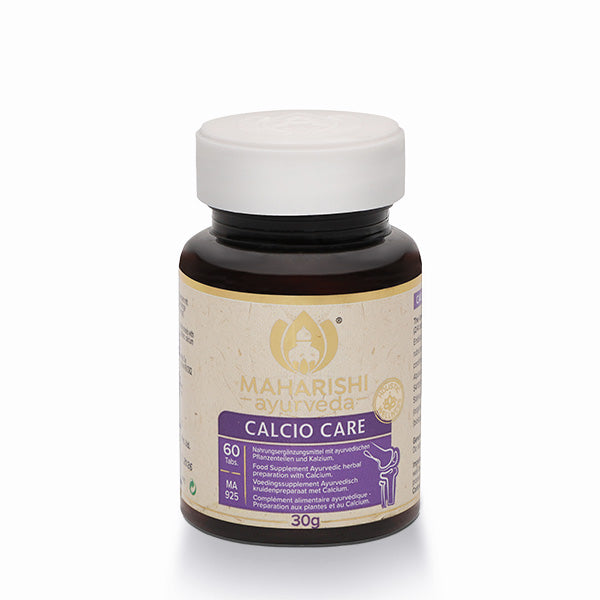
7. Signs of Too Little or Too Much Calcium
Low calcium intake may not always show immediate symptoms because the body tightly regulates calcium levels in the blood. Over time, however, consistently poor intake may affect normal bone maintenance. True low blood calcium levels can sometimes occur due to medical conditions, surgery, kidney-related issues, digestive disorders, or certain medications and may require professional medical care.
At the same time, excessive calcium intake, especially through unnecessary supplementation, may also create imbalance. In some individuals, too much calcium may contribute to constipation, nausea, fatigue, excessive urination, kidney strain, or kidney stones.
Ayurveda strongly focuses on moderation and balance rather than extremes. Instead of encouraging excessive intake, Ayurveda supports long-term nourishment through mindful eating, digestion, balanced routines, and sustainable habits.
8. Ayurveda Tips for Strong Bones Naturally
Ayurveda approaches bone support through overall lifestyle balance rather than focusing on a single nutrient alone. Strong bones are traditionally linked with proper nourishment, digestion, rest, movement, and consistent daily habits.
To support overall wellness naturally, Ayurveda commonly encourages:
-
Eating calcium-rich foods regularly
-
Including healthy fats in moderation
-
Getting safe sunlight exposure
-
Maintaining regular meal timings
-
Staying physically active
-
Avoiding extreme dieting or restrictive eating patterns
Weight-bearing activities such as walking, yoga, climbing stairs, stretching, and strength training may support normal bone maintenance as part of a healthy lifestyle. Ayurveda also values a calm mind, stable routine, balanced meals, and mindful eating habits because long-term wellness is viewed as the result of consistent everyday practices rather than quick solutions.


