
![Maharishi Ayurveda Europe B.V. [DE]](http://maharishiayurveda.de/cdn/shop/files/mape_logo_85x_2x_4fa3ad6c-821a-4738-8803-0b9e4fbd888e.webp?v=1776845850&width=150)

![Maharishi Ayurveda Europe B.V. [DE]](http://maharishiayurveda.de/cdn/shop/files/mape_logo_85x_2x_4fa3ad6c-821a-4738-8803-0b9e4fbd888e.webp?v=1776845850&width=600)

7 Ayurvedic Herbs & Spices: Traditional Ways to Use Them
 2026 September 24
Ayurveda looks at herbs and spices as more than simple kitchen ingredients. In the Ayurvedic tradition, each plant is understood through factors such as rasa or taste, guna or qualities, virya or potency, preparation method, quantity and suitability for the individual.
Classical Ayurvedic texts such as the Charaka Samhita, Ashtanga Hridaya and Bhavaprakasha Nighantu describe many herbs and spices within food, daily routines and traditional formulations.
The uses described below reflect traditional Ayurvedic practices and should not be understood as medical advice. Herbs and supplements should always be chosen with care, especially if you are pregnant, breastfeeding, taking medication or managing a diagnosed health condition.
Which Ayurvedic Herbs Are Traditionally Used in Daily Routines?
Ayurvedic herbs and spices are chosen according to their qualities, preparation, quantity and suitability for the person. Some are used mainly in cooking, while others appear in teas, powders, tablets, capsules or classical Ayurvedic formulations.
Seven commonly used herbs and spices in Ayurveda include:
-
Ashwagandha
-
Tulsi
-
Ginger
-
Turmeric
-
Cinnamon
-
Licorice, also known as Mulethi or Yashtimadhu
-
Triphala
Ayurveda does not select herbs only because they are popular or widely known. It considers Prakriti or constitution, Vikriti or current imbalance, Agni or digestive capacity, age, climate, season and daily routine.
What Is Ashwagandha and How Is It Traditionally Used in Ayurveda?
What is Ashwagandha?
Ashwagandha is one of the best-known herbs in Ayurveda. Its botanical name is Withania somnifera, and the root is the part most commonly used in traditional Ayurvedic preparations.
In Ayurveda, Ashwagandha is often discussed in the context of nourishing and grounding routines. It is traditionally used in powders and formulations and is also available today in tablets and capsules.
How is Ashwagandha traditionally used?
Ashwagandha has traditionally been used as part of broader Ayurvedic routines rather than as a quick standalone solution. It may be included in formulations, powders or warm preparations depending on the person and intended purpose.
Because Ashwagandha is considered a strong and important herb in Ayurveda, it should be used thoughtfully. It may not be suitable for everyone, especially during pregnancy, breastfeeding, certain medical conditions or alongside some medications.
What forms of Ashwagandha are available?
Ashwagandha is commonly available in several forms, including:
-
powder
-
tablets
-
capsules
-
classical Ayurvedic formulations
-
warm drink preparations, when suitable
The right form depends on the person’s routine, preference, digestion and product guidance.
Ashwagandha Bio
View Product Information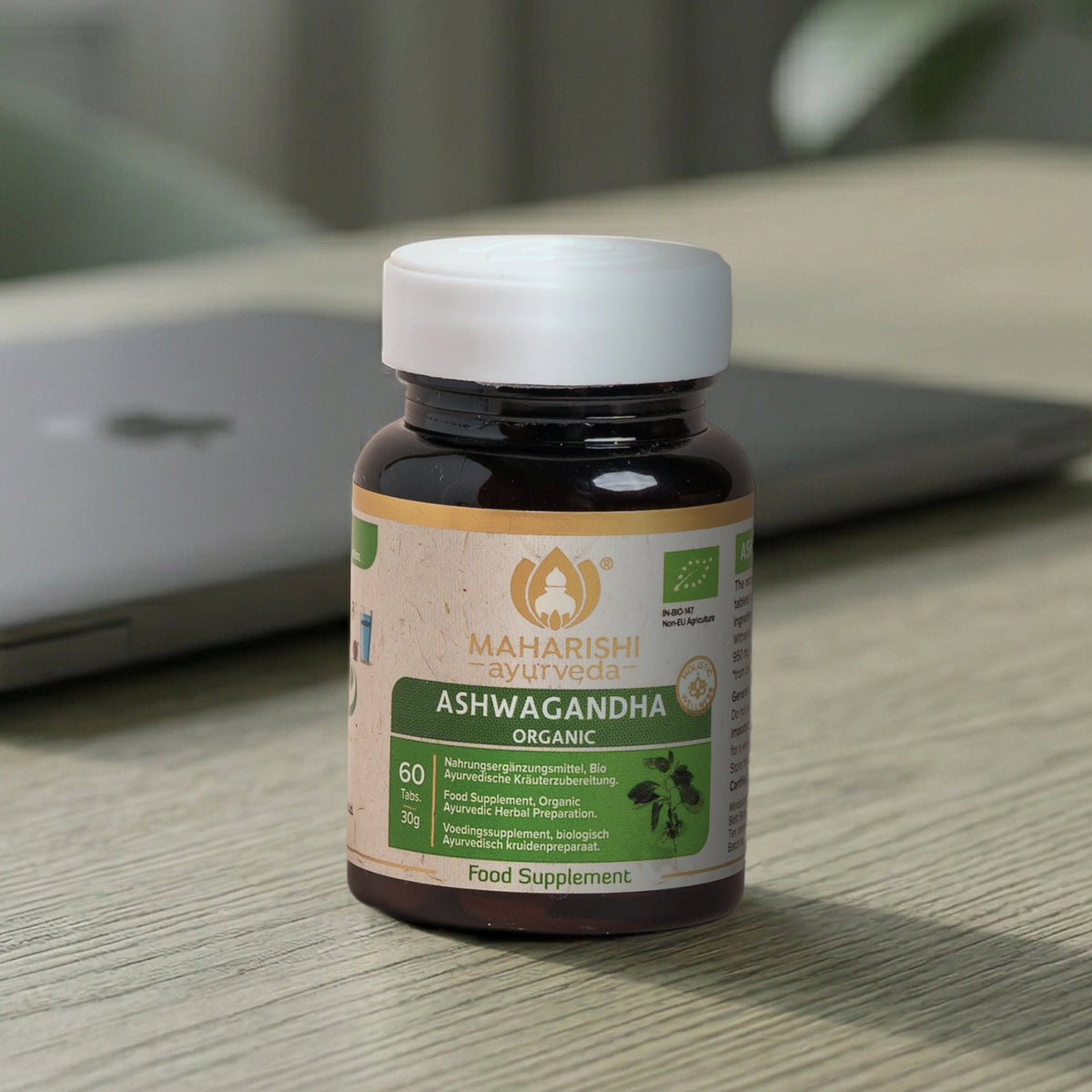
How can you include Ashwagandha in your daily routine?
Ashwagandha may be included in a daily routine according to the product instructions or under the guidance of a qualified practitioner. Some traditional approaches use Ashwagandha powder in a warm drink, while modern routines may use tablets or capsules for convenience.
It is best not to combine multiple Ashwagandha products at the same time unless advised by a professional.
What Is Tulsi and What Traditional Role Does It Have in Ayurveda?
What is Tulsi?
Tulsi, also known as Holy Basil, is an aromatic herb with an important place in Ayurvedic tradition. It is valued for its distinct fragrance and is commonly used in herbal teas and warm drinks.
Tulsi leaves may be used fresh or dried, depending on the preparation.
Tulsi in Ayurvedic tradition
In Ayurveda, Tulsi is traditionally used in daily routines and seasonal practices. It is often included in warm herbal infusions and may be combined with selected spices according to personal suitability.
Tulsi Bio
View Product Information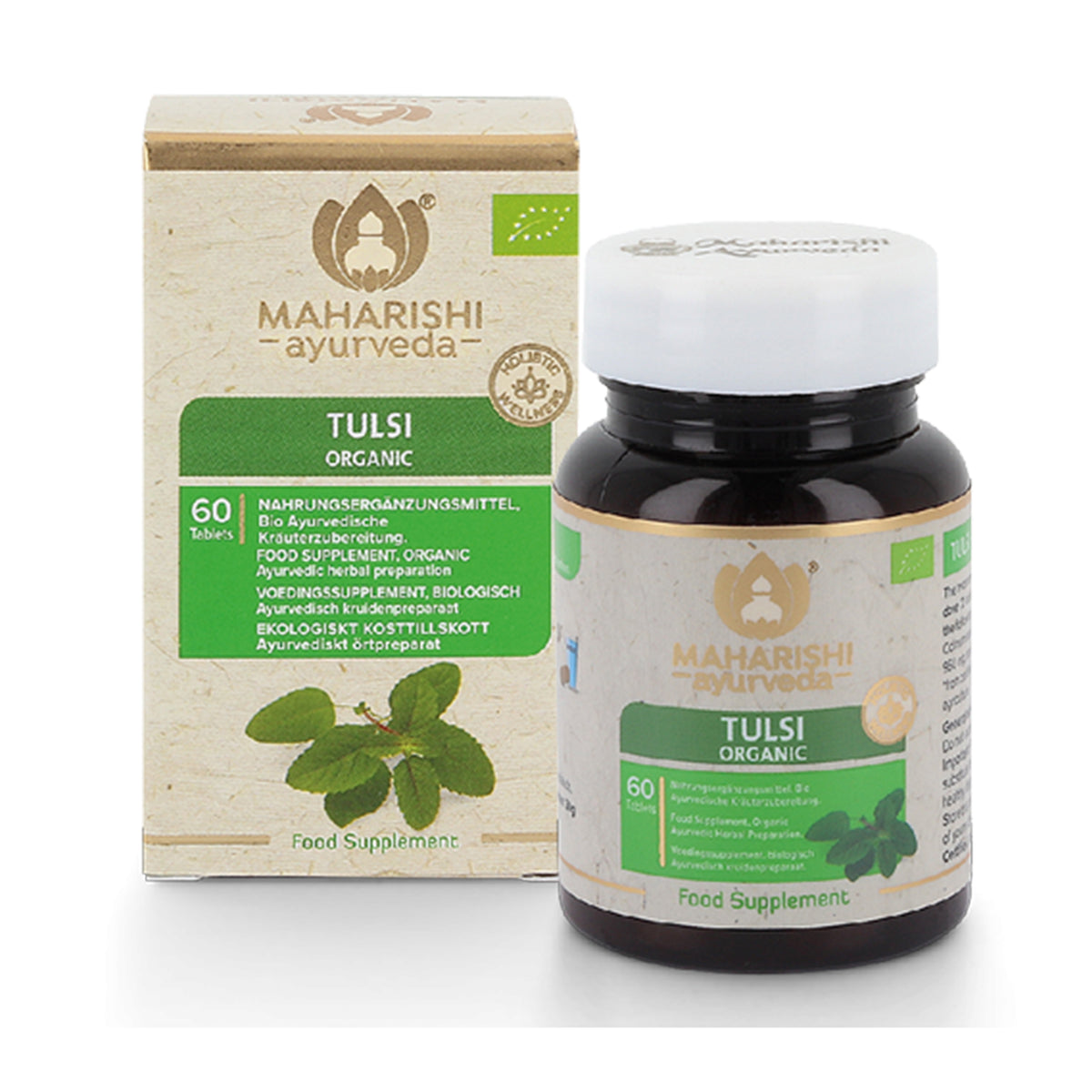
Tulsi as a tea and in warm drinks
Tulsi tea is one of the simplest ways to include this herb in a daily routine. It can be prepared on its own or combined with culinary spices such as ginger, cardamom or cinnamon.
As with all herbs, quantity and suitability matter. A simple Tulsi tea is different from a concentrated herbal formulation.
How can you include Tulsi in your routine?
Tulsi can be included through:
-
warm Tulsi tea
-
Tulsi with ginger or cardamom
-
Tulsi as part of a herbal drink
-
simple tea breaks during the day
It is best to keep the routine simple and observe how it fits your body, digestion and daily schedule.
Why Is Ginger a Popular Spice in Ayurveda?
What makes ginger distinctive?
Ginger is one of the most widely used spices in Ayurveda and traditional cooking. Ayurveda distinguishes between fresh ginger, known as Ardraka, and dry ginger, known as Shunthi, because their qualities are not considered identical.
This distinction is important because the same plant may be understood differently depending on its form and preparation.
Ginger in traditional Ayurvedic cooking
Ginger is commonly used in cooked meals, soups, dal, vegetable dishes and spice blends. It can be a practical spice for warm, freshly prepared food.
It is often used in small quantities as part of cooking rather than consumed in excess.
Ginger tea and warm drinks
Ginger tea is a simple warm drink. It may be prepared with fresh ginger slices or dried ginger powder, depending on preference and suitability.
Ginger can also be combined with spices such as cardamom, cinnamon or black pepper in culinary amounts.
How can you use ginger in daily cooking?
Ginger can be included through:
-
soups
-
dal
-
cooked vegetables
-
warm water preparations
-
herbal teas
-
spice blends for warm meals
People with heat sensitivity, reflux or certain medical conditions should use warming spices carefully.
How Is Turmeric Traditionally Used in Ayurveda?
What is turmeric?
Kurkuma, known in Ayurveda as Haridra, is the rhizome of Curcuma longa. It is widely used in Indian cooking and has a long place in Ayurvedic tradition.
Its bright yellow colour and earthy taste make it a familiar ingredient in many warm dishes.
Curcuma Bio
View Product Information
Turmeric in traditional Ayurvedic cooking
Turmeric is traditionally used in cooked meals such as dal, rice dishes, soups, vegetables and spice blends. It is usually used in small culinary amounts.
In Ayurveda, the method of preparation matters. Turmeric used in everyday cooking is not the same as a concentrated extract or supplement.
Turmeric in drinks and meals
Turmeric may be included in:
-
dal
-
vegetable dishes
-
soups
-
rice preparations
-
warm milk-style drinks, when suitable
-
spice mixes
It combines well with warm, simple meals and is often used alongside other spices.
Which ingredients pair well with turmeric?
Turmeric is commonly paired with ingredients such as:
-
ginger
-
black pepper
-
cumin
-
coriander
-
fennel
-
ghee, when suitable
-
warm cooked vegetables
These combinations should be understood as traditional or culinary combinations, not as medical treatments.
Why Is Cinnamon a Popular Ayurvedic Spice?
What is cinnamon?
Cinnamon, known in Ayurveda as Tvak, is an aromatic bark used in food, drinks and traditional preparations. Its warm, sweet and fragrant character makes it a popular spice in daily cooking and herbal drinks.
Cinnamon in Ayurvedic tradition
Cinnamon is traditionally valued as a warming spice. It is often used in small amounts in food and drinks.
Because it is warming and aromatic, it should be used in moderation.
Cinnamon in tea, drinks and recipes
Cinnamon can be added to:
-
herbal teas
-
warm drinks
-
porridge
-
stewed fruits
-
simple desserts
-
spice blends
-
warm recipes
It works well when used gently rather than heavily.
How can you easily include cinnamon in your routine?
The easiest way to include cinnamon is to add a small amount to a warm drink or cooked breakfast. It can also be used in recipes with fruits, grains or herbal teas.
Choose good-quality cinnamon and avoid excessive daily use unless guided by a qualified professional.
What Is Licorice or Mulethi and How Is It Traditionally Used?
What is Mulethi?
Mulethi, also known as Yashtimadhu or licorice root, is a traditional Ayurvedic herb. It appears in many classical Ayurvedic formulations and is also used in herbal teas.
The root is the commonly used part.
Licorice in Ayurvedic tradition
Licorice has a long place in Ayurvedic preparations. It may be used in formulations, powders, root pieces or tea blends depending on the purpose and context.
However, licorice should be used carefully. Regular or prolonged use may not be suitable for everyone.
Licorice in traditional preparations
Licorice may be found in:
-
root pieces
-
powders
-
herbal teas
-
classical formulations
-
combination products
The form and quantity matter. A mild tea blend is different from concentrated licorice powder or extract.
What forms of Mulethi are available?
Mulethi is commonly available as:
-
dried root pieces
-
powder
-
tea ingredient
-
capsules or tablets
-
classical Ayurvedic formulations
People with high blood pressure, kidney concerns, pregnancy, medication use or diagnosed health conditions should seek professional advice before using licorice regularly.
What Is Triphala and What Place Does It Have in Ayurvedic Tradition?
What is Triphala?
Triphala is a classical Ayurvedic combination made from three fruits:
-
Haritaki
-
Bibhitaki
-
Amalaki
The word Triphala means “three fruits.” It is one of the most well-known traditional formulations in Ayurveda.
Which plants traditionally make up Triphala?
Triphala traditionally contains:
-
Haritaki, from Terminalia chebula
-
Bibhitaki, from Terminalia bellirica
-
Amalaki, from Emblica officinalis or Phyllanthus emblica
These three fruits are combined in a traditional formulation.
Triphala in Ayurvedic tradition
Triphala is traditionally used in Ayurveda according to purpose, preparation, timing and individual suitability. It should not be described simply as a generic “detox,” because Ayurveda looks at its use with more nuance.
The right use depends on the person, digestive capacity, routine and professional guidance where needed.
Triphala Plus Natural 250 g
View Product Information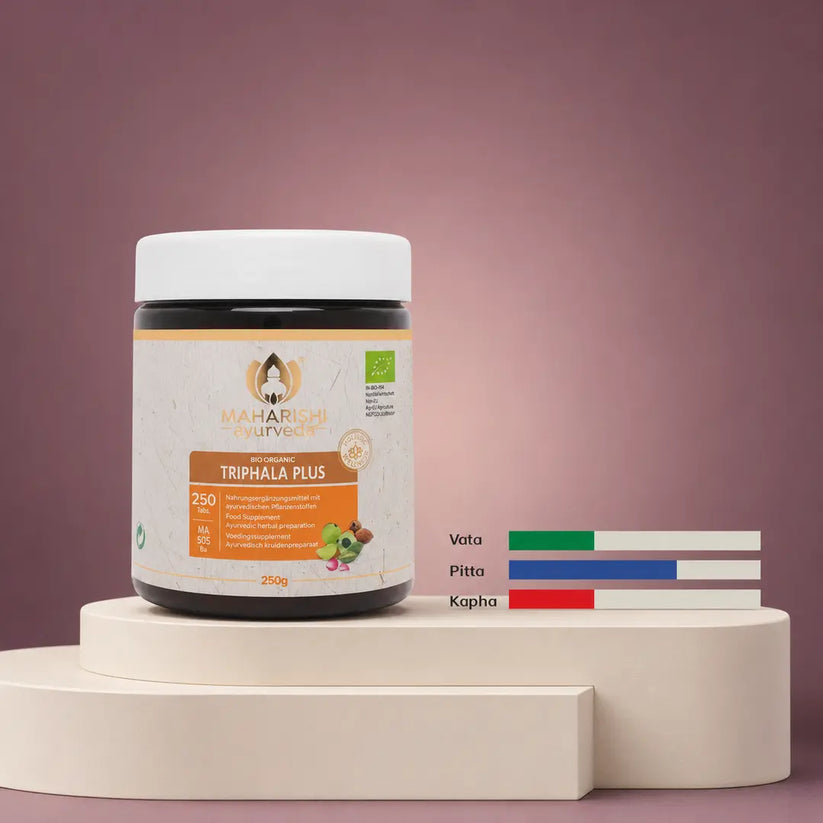
What forms of Triphala are available?
Triphala is commonly available as:
-
powder
-
tablets
-
capsules
-
classical formulations
-
herbal combinations
Some people prefer powder because it reflects a traditional format, while others prefer tablets or capsules for convenience.
How Can You Include Ayurvedic Herbs in Your Daily Routine?
Adding herbs to warm drinks
Warm drinks are one of the easiest ways to include Ayurvedic herbs and spices. Tulsi tea, ginger tea, cinnamon tea or simple herbal infusions can become part of a morning, afternoon or evening routine.
Keep the preparation simple. One or two herbs are often easier to use consistently than complex combinations.
Using herbs and spices in cooking
Ayurvedic herbs and spices can be included in daily cooking through:
-
dal
-
soups
-
rice dishes
-
cooked vegetables
-
porridge
-
stews
-
warm drinks
A simple way to begin is to focus on warm, freshly prepared meals and add familiar spices in moderate quantities.
Powder, tea and other formats
Ayurvedic herbs may be available as:
-
fresh herbs
-
dried herbs
-
powders
-
decoctions
-
teas
-
tablets
-
capsules
-
oils
-
classical formulations
Each format has a different role. Culinary spices used in food are not the same as concentrated herbal supplements.
Creating a simple Ayurvedic herb routine
A simple Ayurvedic routine may include:
-
warm water in the morning
-
freshly cooked meals
-
suitable spices in cooking
-
one suitable herbal tea
-
regular mealtimes
-
a calming evening rhythm
-
attention to digestion and comfort
Ayurveda works best when it is practical and consistent. A small routine followed regularly is often more useful than a complicated routine that cannot be maintained.
Which Ayurvedic Herbs Can You Traditionally Combine?
Ayurvedic herbs and spices can be combined, but compatibility, purpose, quantity and preparation matter. Culinary combinations are different from therapeutic formulations.
Ashwagandha and cinnamon
Ashwagandha and cinnamon may appear together in warm drink-style preparations when suitable. Cinnamon adds a warm, aromatic quality, while Ashwagandha is traditionally used in nourishing routines.
This combination should be used carefully and according to individual suitability.
Ginger and turmeric
Ginger and turmeric are common culinary companions. They are often used together in dal, soups, cooked vegetables and rice dishes.
This combination works well in warm meals, especially when used in normal cooking quantities.
Tulsi and spices
Tulsi may be combined with spices such as ginger, cardamom or cinnamon in warm herbal drinks. These combinations are commonly used in tea routines.
Keep the blend simple and avoid using too many strong herbs at once.
Herbal teas and warm drinks
Warm herbal drinks may include ingredients such as:
-
Tulsi
-
ginger
-
cinnamon
-
cardamom
-
fennel
-
licorice, when suitable
A warm herbal drink can become part of a mindful daily pause.
Conclusion
Ayurvedic herbs and spices are traditionally understood through their qualities, preparation, quantity and suitability for the person. They are not one-size-fits-all remedies.
Ashwagandha, Tulsi, ginger, turmeric, cinnamon, Mulethi and Triphala all have a place in Ayurvedic tradition, but they should be used with awareness. Some are simple culinary spices, some are common tea ingredients and others are stronger herbs or formulations that may require more care.
The best routine does not need to be complicated. Start with warm meals, suitable spices, a simple herbal tea and steady daily habits. Then adjust according to your constitution, digestion, season and personal needs.


