![Maharishi Ayurveda Europe B.V. [DE]](http://maharishiayurveda.de/cdn/shop/files/mape_logo_85x.png?v=1698321965)
Ayurvedic Oral Care Routine
Duration: 5–10 minutes • Focus: fresh breath, clear taste, gentle gum care, and a mindful start to the day
In Ayurveda, the mouth is considered the beginning of digestion. A short, practical, and repeatable oral care routine can therefore do more than just clean teeth: it can make your morning start more mindfully, fresher, and clearer.
Ayurvedic Perspective: Why Oral Care is Important
In Ayurveda, the mouth is not only important for the teeth. It is at the beginning of digestion, influences the sense of taste, supports speech, and contributes to a well-groomed, confident feeling.
A simple Ayurvedic oral care routine aims to freshen breath, clarify the sense of taste, and gently care for the gums. At the same time, brushing your teeth becomes a calm daily ritual.
Practically speaking, morning oral care helps remove plaque that has built up overnight. It can reduce morning bad breath and help you perceive taste and appetite more consciously. This way, you start the day with more freshness, clarity, and a small moment of self-care.
A Simple Ayurvedic Morning Routine in 5–10 Minutes
Short Step-by-Step Routine
1. Clean your tongue: 30–45 seconds
Gently scrape your tongue from back to front. Repeat this about 3–6 times, rinsing the tongue cleaner in between.
2. Oil pulling: 1–5 minutes
Take about 1 teaspoon of sesame oil or food-grade coconut oil into your mouth. Swish the oil gently back and forth, without pressure or strong sucking. Then spit it out and rinse your mouth. Start with 1–2 minutes and extend only if it feels comfortable.
3. Brush your teeth: 1–2 minutes
Use a soft toothbrush and brush with gentle pressure. A mild herbal toothpaste or a low-abrasion toothpaste is particularly suitable.
4. Rinse & finish: 10–20 seconds
Rinse your mouth with lukewarm water. Optionally, you can then drink a small glass of warm water or a mild herbal drink.Order and Timing
The order makes sense: First, you remove the coating on your tongue with the tongue scraper. Then, oil pulling can help to further cleanse the mouth and create a fresh feeling.
Many people brush their teeth again after oil pulling so that toothpaste or fluoride comes directly onto the cleaned teeth.
If you're in a hurry in the morning, tongue cleaning and brushing your teeth are often enough. This takes about 2 minutes. If you have 5–10 minutes, you can also include a short oil pulling.
Gentle Gum Care and Rinses
If your gums are sensitive, you can gently massage them for 20–30 seconds with your finger or a soft toothbrush. Lukewarm water or a mild saline rinse can be pleasant.
You should avoid strong herbal powders if your gums are inflamed, irritated, or sore.
Tongue Cleaning: Tools and Safe Application
Suitable Tongue Cleaners and Materials
-
Stainless steel tongue cleaners are durable and easy to clean.
-
Copper tongue cleaners are a traditional option and should be rinsed thoroughly after each use.
-
Silver-plated tongue cleaners are lightweight and practical for travel.
It is best to choose a simple U-shaped tongue cleaner with a smooth edge. Clean and dry it after each use and store it hygienically.
Stainless steel tongue cleaner
View product information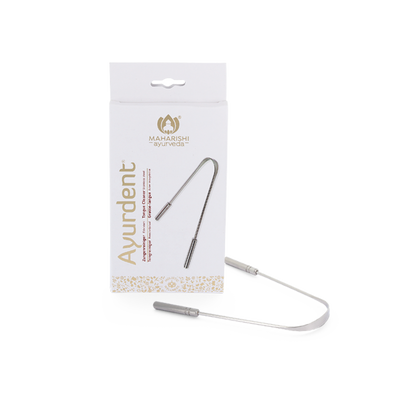
Safe Technique
Place the tongue cleaner at the back of your tongue and gently pull it forward. Apply only light pressure. It should not hurt or cause a strong gag reflex.
Rinse the scraper after each stroke. If you feel pain, burning, or irritation, stop.
One application in the morning is usually sufficient. Additional cleaning during the day is possible but not strictly necessary.
Noticeable Changes
Many people notice a fresher taste in their mouth, less morning plaque, and a clearer sense of taste when drinking or eating through regular tongue scraping.
Important: These are practical, noticeable effects. Keep expectations realistic and focus on how your mouth actually feels.
Oil Pulling: Gandusha / Kavala
Which oils are suitable?
Sesame oil is the classic choice in Ayurveda. It is food-grade, gently warming, and pleasantly neutral for many people in the morning.
Coconut oil is a modern, popular alternative. Some prefer its taste.
Only use edible, food-grade oils. Try small amounts and find out which oil feels most comfortable for you.
Duration and Application
Start with 1–2 minutes of gentle oil pulling. If it feels comfortable, you can slowly increase to 5 minutes. 10 minutes is only advisable if it truly feels good and relaxing.
Swish the oil loosely back and forth in your mouth. No strong sucking, no forceful pressing, no strenuous gargling.
Do not swallow the oil. It is best to spit it into a tissue or the trash, not into the sink, as oil can clog drains. Afterwards, rinse your mouth with water and brush your teeth if needed.
Safety and Common Mistakes
Avoid rinsing too vigorously, oil pulling for too long, swallowing, or gargling to the point of gagging.
If you have a strong gag reflex, difficulty swallowing, or certain health conditions, it's best to consult a medical professional before regular use.
Brushing Teeth: Technique and Product Selection
Toothbrush and Pressure
Use a toothbrush with soft bristles. Too much pressure can damage tooth enamel and irritate gums.
Electric toothbrushes can be helpful if you use a gentle setting. A manual toothbrush is just as fine if you brush slowly, thoroughly, and with control.
Herbal Toothpastes and Tooth Powders
In Ayurvedic-inspired dental care products, you often find ingredients like neem, triphala, babool, clove, or licorice. They bring traditional, often bitter, astringent, or spicy flavor notes.
If your gums are sensitive, choose mild and low-abrasion products. You should gradually try new toothpastes or powders to see how your mouth reacts to them.
Daily Brushing Routine
-
Apply a pea-sized amount of toothpaste to the brush.
-
Brush all tooth surfaces for about 2 minutes with gentle, circular movements.
-
Rinse your mouth and gently use dental floss if needed.
-
If you do oil pulling, you can brush your teeth afterward. If you don't do oil pulling, thorough and gentle brushing alone is already a good basis.
Gum Care and Warning Signs
Protect Sensitive Gums
For sensitive gums: use a soft toothbrush, low-abrasion toothpaste, gentle massage, and mild rinses.
Avoid coarse powders, vigorous scrubbing, and very intense herbal products. Use cooling or soothing herbal rinses only if they feel pleasant.
When to See a Dentist
Please consult a dentist if you notice persistent gum bleeding, pain, deep sores or ulcers, loose teeth, or persistently strong bad breath.
A daily routine can support oral hygiene but does not replace a professional examination or treatment.
Dry Mouth and Freshness in Everyday Life
Drink enough water. After eating, fennel or cardamom seeds can traditionally contribute to freshness. Sugar-free chewing gum can also help.
If you suffer from persistent dry mouth, you should discuss this with your dentist or doctor.
Ayurdent Gum Care Oil
View product information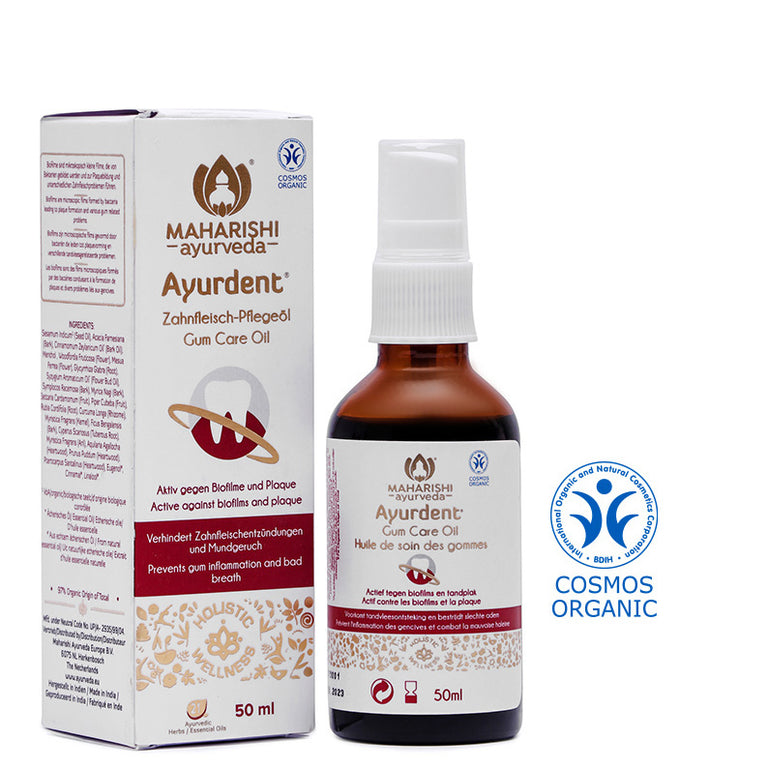
Common Ayurvedic Herbs and Natural Ingredients
Important Herbs: Neem, Triphala, and Babool
Neem is traditionally valued for its bitter, cleansing taste and is often used in toothpastes.
Triphala is a blend of three fruits and is found in powders or rinses.
Babool, also known as acacia, is a traditional astringent plant and is used in some dental care products.
These herbs are traditionally used for freshness and cleansing. Use them gently and stop if irritation occurs.
Spices and Flavors for Freshness
Clove, cardamom, fennel, and cinnamon are popular flavors and freshness components. Use them sparingly.
For daily use, mild variants like fennel seeds after meals are usually more pleasant than strong direct applications on sensitive tissue.
When to Avoid Strong Herbal Products
Avoid strongly astringent, pungent, or spicy products if you have open sores, canker sores, wounds, or high sensitivity in your mouth.
First, carefully test new herbal pastes on a small area or ask your dentist if you are unsure.
Ayurdent Classic Toothpaste
View product information
Quick Tips for Stressful Days and On the Go
Minimal Routine for Short Mornings
30-second option: Tongue cleaning and quick tooth brushing.
2-minute option: Tongue cleaning, 1 minute of oil pulling, 1 minute of tooth brushing.
Even small steps can help maintain freshness and routine.
Practical Tools for On the Go
Take a lightweight tongue cleaner and small travel sizes. For oil, a small, well-sealed bottle is suitable.
Store everything in a clean bag. Opened oils should be replaced regularly, especially if you carry them frequently.
Safety, Frequently Asked Questions, and Next Steps
Is oil pulling safe?
Oil pulling is generally well-tolerated if you do it gently, with small amounts, and without swallowing.
Start short, listen to your body, and stop if you feel nauseous or uncomfortable.
Common Misconceptions
Oil pulling and tongue cleaning can support freshness, oral sensation, and daily care. However, they do not replace professional dental care, diagnosis, or treatment.
Consider them as daily supportive rituals, not as remedies.
When Professional Help Is Important
Contact a dentist if you experience persistent bleeding, pain, ulcers, loose teeth, or persistently strong bad breath.
It is best to note how long the symptoms have been present and what aggravates them. This helps with the assessment.
Frequently Asked Questions
1. How long does an Ayurvedic oral care routine take?
A complete routine takes about 5–10 minutes. If you are short on time, a quick 2-minute version with tongue cleaning and tooth brushing also works.
2. Is oil pulling safe and how long should I do it for?
Start with 1-2 minutes and increase to about 5 minutes if comfortable. Do not swallow the oil and stop if you feel nauseous or uncomfortable.
3. How often should I clean my tongue?
Once a day in the morning is usually sufficient. Gently scrape the tongue from back to front and rinse the tongue cleaner in between.
4. Which Ayurvedic herbs are suitable for sensitive gums?
Mild neem mixtures or licorice can be gentler. Avoid strong, coarse, or highly astringent powders if your gums are inflamed or irritated. Test new products carefully.
5. When should I go to the dentist?
Please go to the dentist if you have persistent gum bleeding, pain, sores, loose teeth, or severe persistent bad breath. Home routines can support, but do not replace professional treatment.


