![Maharishi Ayurveda Europe B.V. [DE]](http://maharishiayurveda.de/cdn/shop/files/mape_logo_85x.png?v=1698321965)
Ayurvedic Summer Skincare: Your Natural Routine
Summer can be beautiful, but it often brings skin challenges due to heat, sweat, sun exposure, dehydration, pollution, and air-conditioning. These factors can affect the skin’s natural balance, making it feel oily, dry, sensitive, or dull. Ayurveda emphasises seasonal living (Ritucharya) and suggests adapting diet, lifestyle, and skincare according to environmental changes.
During Grishma Ritu (summer season), classical Ayurvedic texts describe the environment as hot, dry, and energy-depleting. Because of this, cooling, hydrating, and soothing routines are traditionally recommended to help maintain overall balance and skin comfort.
1. Why Summer Skin Needs Extra Care
During summer, increased heat leads to more sweating, which mixes with oil, dust, and sunscreen on the skin. This combination can clog pores and contribute to breakouts, uneven texture, or a dull appearance, especially on the face, back, and chest. At the same time, frequent sun exposure, swimming pools, and air-conditioning can disturb the skin barrier and make the skin feel tight or dehydrated.
From a practical perspective, summer skincare should focus on maintaining balance through gentle cleansing, proper hydration, sun protection, and avoiding unnecessary irritation. The goal is not to overload the skin with products, but to support its natural protective function.
2. Ayurvedic View of Summer Skin
Ayurveda describes summer as a season dominated by heat, which can gradually reduce moisture and strength in the body. Classical texts such as the Charaka Samhita recommend cooling, sweet, liquid, and mildly nourishing foods and habits during this period to help maintain internal balance.
In terms of skincare, Ayurveda suggests avoiding excessive heat exposure, harsh scrubbing, and overly drying or stimulating treatments. Instead, gentle, cooling, and calming practices are preferred. This may include soothing natural ingredients, light textures, and hydration-focused care routines that align with the seasonal environment.
3. Simple Summer Skincare Routine
-
A summer skincare routine does not need to be complex to be effective
-
In the morning, gentle cleansing helps remove overnight oil and prepares the skin for the day
-
A lightweight moisturiser may help maintain hydration without feeling heavy, followed by sunscreen when going outdoors
-
At night, cleansing is especially important to remove sweat, pollution, sunscreen, and impurities accumulated during the day
-
After cleansing, a light moisturiser or soothing gel-based product may be used, depending on skin type
-
Dermatology guidance generally supports cleansing twice daily and after excessive sweating, as sweat left on the skin for long periods may contribute to irritation or discomfort.
A particularly gentle cleansing milk that mildly removes dirt, make-up and impurities and gently cares for the skin.
Cleansing Milk
View product information
A refreshing facial toner that revitalizes the skin after cleansing and optimally prepares it for further care.
Skin Tonic
View product information
4. Sunscreen Is Important
While Ayurvedic practices support natural skincare, sun protection remains essential in modern dermatological care. Prolonged sun exposure may contribute to tanning, sunburn, pigmentation, premature skin ageing, and long-term skin damage.
Using a broad-spectrum sunscreen with SPF 30 or higher is generally recommended when spending time outdoors. Reapplication every two hours is advised, especially after sweating or swimming. In addition to sunscreen, physical protection such as hats, sunglasses, breathable cotton clothing, and seeking shade during peak sunlight hours may further support skin protection. Ayurveda also supports avoiding excessive sun exposure during peak heat hours to maintain overall balance.
5. Natural Ingredients for Summer Skin
Several natural ingredients are traditionally used for cooling and soothing effects on the skin during summer. Aloe vera gel is commonly used for its light, hydrating texture and cooling sensation. However, it should always be patch-tested, especially for sensitive skin types.
Other traditionally used ingredients include rose water, cucumber, sandalwood, coconut water, mint, coriander, and seasonal fruits. These ingredients are often used in cooling routines and may provide a refreshing feel when used appropriately. However, “natural” does not always mean suitable for all skin types. Ingredients like lemon juice, baking soda, strong essential oils, or abrasive scrubs may irritate the skin and should be used with caution, particularly in sensitive or sun-exposed skin.
Aloe Vera Gel
View product information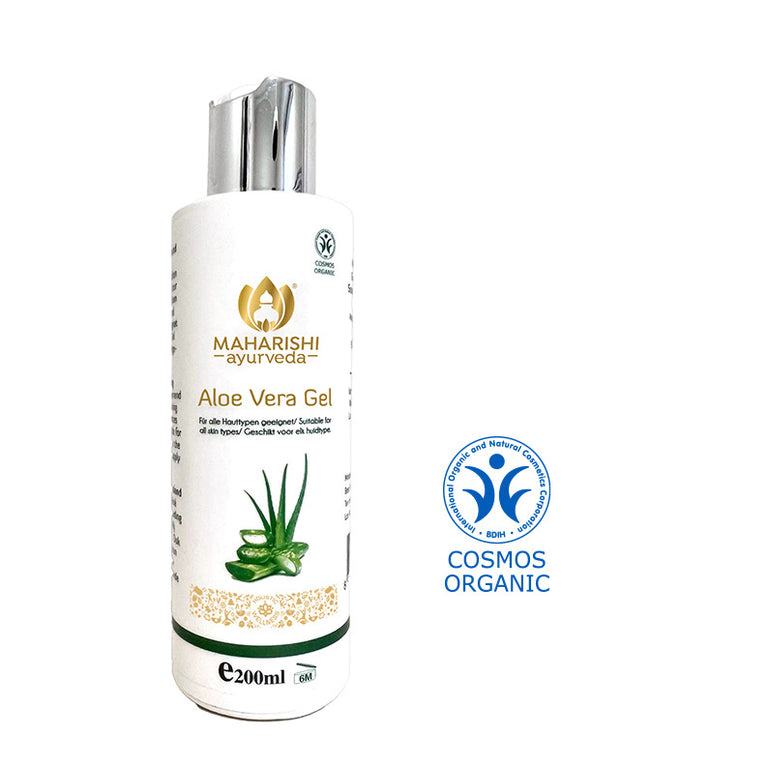
6. Summer Diet for Better Skin
In Ayurveda, skin health is closely linked to digestion and internal balance. During summer, lighter and more hydrating foods are traditionally preferred to help the body maintain comfort in heat.
Commonly suggested foods include cucumber, bottle gourd, coconut water, watermelon, pomegranate, soaked raisins, rice, moong dal, coriander, fennel, mint, and fresh seasonal fruits. These foods are generally considered easier to digest and hydrating in nature.
At the same time, it is often recommended to limit very spicy, oily, salty, fried, and heavily processed foods, as well as excessive alcohol and vinegar-based foods, as they may increase internal heat and contribute to skin sensitivity or discomfort in some individuals.
7. Men’s Summer Skincare
Men’s skincare needs are often influenced by shaving habits, sweat, outdoor exposure, and environmental pollution. A simple and consistent routine is usually sufficient for maintaining skin comfort. This typically includes gentle cleansing, lightweight moisturising, and sunscreen application during the day.
After shaving, alcohol-based products may sometimes cause dryness or irritation, especially in sensitive skin. In such cases, soothing alternatives like fragrance-free moisturisers or aloe-based gels may be preferred. For individuals who sweat heavily or spend extended time outdoors, cleansing after sweating and reapplying sunscreen when needed may help maintain skin hygiene and protection.
8. What to Avoid in Summer Skincare
-
Over-cleansing the skin, which can strip natural oils and disturb the skin barrier
-
Frequent scrubbing or harsh exfoliation that may increase irritation
-
Heavy or overly occlusive creams that can feel suffocating in hot weather
-
Layering multiple strong active ingredients together, which may overwhelm the skin
-
Applying lemon juice directly on the skin, especially before sun exposure, as it may increase sensitivity
-
Sleeping with sunscreen or makeup on, which can block natural overnight skin renewal
-
Using overly complex routines instead of keeping skincare simple and consistent
FAQs
1. How often should I wash my face in summer?
Washing the face twice daily—morning and night—is usually sufficient. Additional cleansing may be needed after heavy sweating. Overwashing should be avoided as it may disrupt the skin’s natural barrier and lead to dryness or irritation.
2. Is aloe vera good for summer skin?
Aloe vera is commonly used for its cooling and soothing properties. It may help provide comfort to mildly irritated skin. However, it should always be patch-tested before use, especially for sensitive skin types, to avoid unwanted reactions.
3. Which foods are good for skin in summer?
Hydrating and light foods such as cucumber, coconut water, watermelon, pomegranate, mint, fennel, rice, moong dal, and seasonal fruits are commonly included in summer diets. These foods are generally easier to digest and help maintain hydration balance.
4. What should I avoid eating in summer according to Ayurveda?
Highly spicy, oily, fried, salty, and very hot foods are generally avoided in Ayurveda during summer. Excess alcohol, vinegar-based foods, and heavily processed items may also increase internal heat and should be consumed in moderation.
5. Can I skip moisturiser if my skin is oily?
Even oily skin requires hydration. Instead of skipping moisturiser, lightweight gel-based or water-based formulations are usually preferred. Lack of moisturiser may sometimes lead to imbalance and increased oil production.
6. What is the best summer routine for sensitive skin?
A simple routine works best: gentle cleanser, lightweight fragrance-free moisturiser, and sunscreen during the day. It is generally advisable to avoid scrubs, strong actives, frequent product switching, and harsh home remedies.


